

by Mary Spiller
April 12, 2026
Am independent report cites ‘structural weaknesses’ as cause of the on-stage incident during the 2026 film awards.
An independent review into a controversial moment at the 2026 British Academy of Film and Television Arts Film Awards has concluded that internal shortcomings—not discriminatory intent—contributed to the incident that drew widespread backlash. The findings, released more than a month after the ceremony, point to “a number of structural weaknesses in BAFTA’s planning, escalation procedures and crisis coordination arrangements,” while emphasizing there was no indication of “malicious intent” or “institutional racism.”
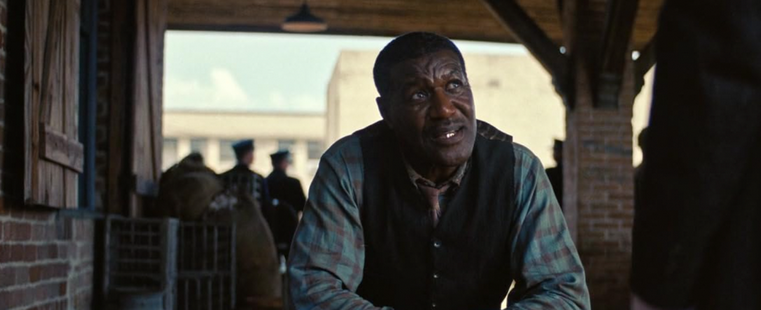
The controversy stemmed from an on-stage disruption during the Feb. 22 broadcast, when Tourette syndrome advocate John Davidson involuntarily yelled out “N***er” while actors Michael B. Jordan and Delroy Lindo were presenting. The moment quickly eclipsed the event itself, prompting criticism from viewers and attendees alike.
Much of the public reaction also targeted the BBC, which aired a delayed version of the ceremony but failed to remove the offensive language. BAFTA, however, faced scrutiny for how it responded in real time. Host Alan Cumming asked for audience understanding regarding Tourette syndrome, a move some critics said overlooked the immediate emotional impact on Black attendees and viewers, as reported by Variety.
In a statement addressing the review, BAFTA’s board acknowledged the organization fell short of its ceremony responsibilities. “The review is clear that while this was not a failure of intent, BAFTA’s planning and processes have not kept pace with its diversity and inclusion goals,” the statement read. It added that the organization “did not adequately anticipate or fully prepare for the impact of such an incident in a live event environment,” resulting in a lapse in its “duty of care.”
The organization issued a broad apology, stating it “apologizes unreservedly” to Black audiences “for whom the racist language used carries real pain, brutality, and trauma,” as well as to individuals with Tourette syndrome who may have faced “unfair judgement, stigma, and distress.” BAFTA further acknowledged that “what was supposed to be a moment of celebration was diminished and overshadowed.”
According to the report, improvements are already underway. BAFTA outlined steps including enhancing communication protocols, refining escalation systems, and adopting a more comprehensive approach to accessibility and inclusion. These efforts aim to better anticipate risks and ensure all participants’ experiences are considered during live broadcasts.
The review, conducted by RISE Associates, described the situation as a “complex intersection of disability, live broadcast risk and the use of language with a profound and painful historical context.” While it did not find deliberate wrongdoing, it stressed that early warning signs were not properly addressed and that a lack of clear leadership hindered the organization’s ability to respond effectively.
The BBC conducted a separate internal review, later acknowledging that its broadcast contained a “clear breach” of editorial standards, though it maintained the mistake was unintentional. Officials said confusion arose when editors believed they had already removed the offensive moment.
Ultimately, the BAFTA report concluded that the issue reflected outdated systems rather than systemic bias. It noted that labeling the incident as institutional racism would be inaccurate, explaining that “the available evidence does not support that conclusion.”
Instead, the findings suggest that operational gaps failed to keep pace with the demands of modern, inclusive live programming.
With reforms now in motion, BAFTA leadership says the goal is to prevent similar incidents and rebuild trust among audiences, participants, and the broader creative community.
RELATED CONTENT: Delroy Lindo Addresses BAFTA Racial Slur Controversy At NAACP Image Awards
