

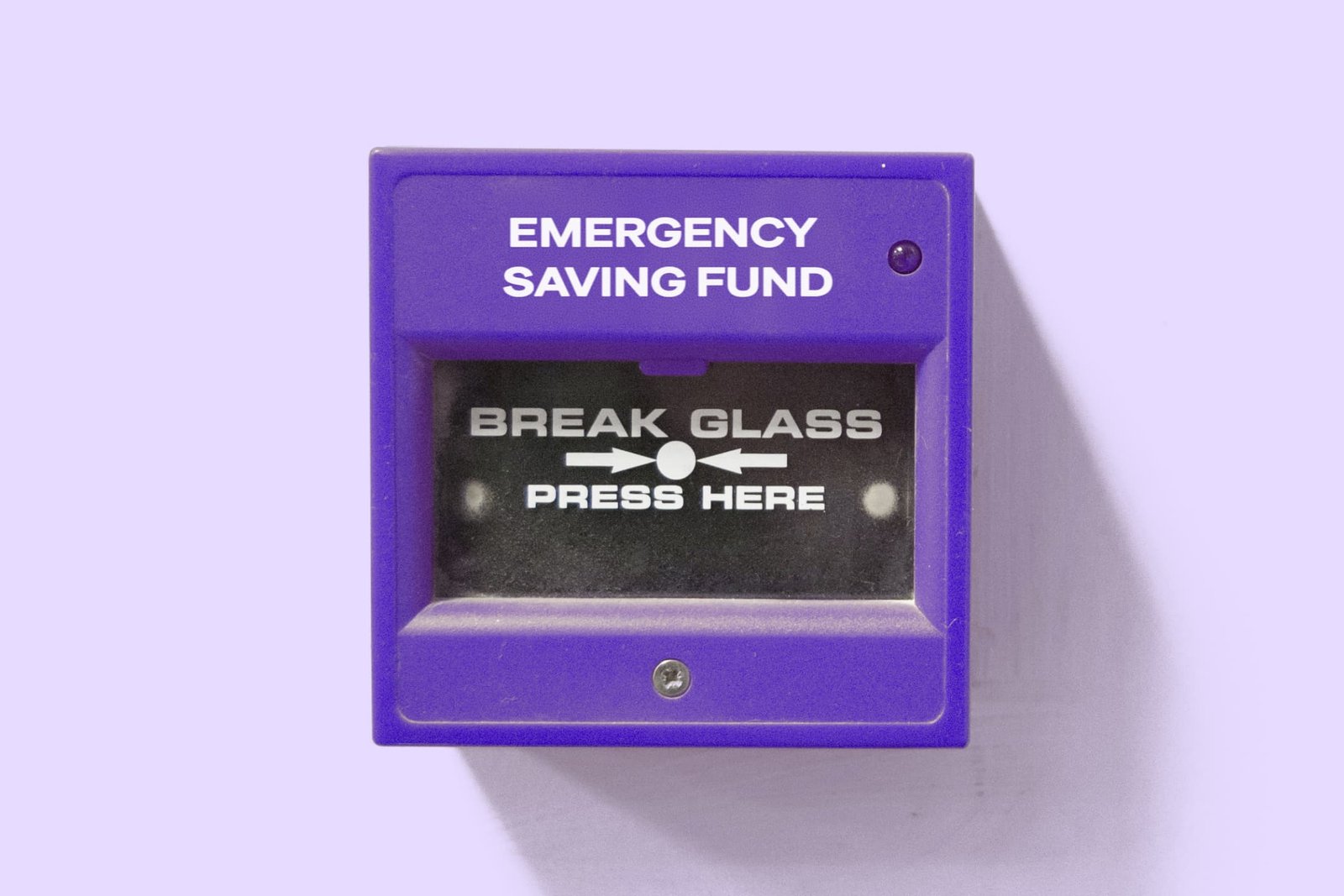
An emergency fund helps you navigate life’s unexpected moments. A broken boiler. An eye-watering vet’s bill. A redundancy. From minor life events to major ones – it helps to know you’ve got financial backup in case you need it.
How much should you have in your emergency fund?
It’s best to save three months’ worth of non-negotiable expenses. These may include your mortgage or rent payments, household bills, and grocery budget.
Your emergency fund should cover you comfortably for a range of unexpected changes. For example, if you lose your job, having three months’ worth of outgoings covered would give you time to look for something new.
Other difficult or unexpected changes that your emergency fund could help with include:
Leaving a difficult relationship.
How to calculate your emergency fund
No need for a fancy emergency fund calculator. Just add up your non-negotiable monthly expenses, and multiple the total by three. For example:
Your essential monthly outgoings come to £1,000
Ideal emergency fund = £3,000
Where to keep your emergency money
Set your emergency money aside in a separate savings account – and make sure it’s one that’s easy to access so you can withdraw money when you need to.
It might also help to keep your emergency fund separate from other savings for things like holidays.
