

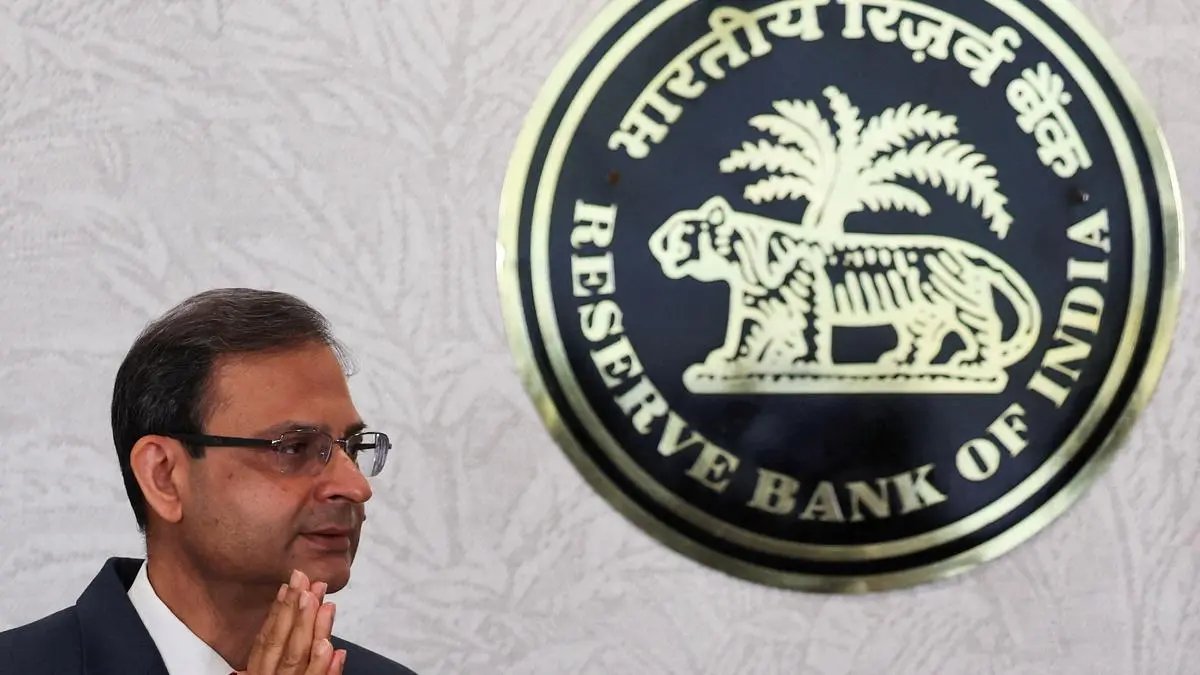
The Reserve Bank of India (RBI) plans to make it easier for Indian companies to borrow overseas via external commercial borrowing (ECB).
In the works is a revised ECB framework that provides for expansion of eligible borrower and recognized lender base, rationalization of borrowing limits, and rationalization of restrictions on average maturity period.
The revised framework will also include removal of restrictions on the cost of borrowing for ECBs, review of end-use restrictions and simplification of reporting requirements.
ECBs are commercial loans raised by eligible resident entities from recognised non-resident entities and should conform to parameters such as minimum maturity, permitted and non-permitted end-uses, maximum all-in-cost ceiling, etc.
RBI said it has undertaken a review of the existing provisions under the Foreign Exchange Management (Borrowing and Lending) Regulations, 2018, with an objective to rationalise and simplify the regulations governing ECBs.
This comes in the backdrop of flows to the commercial sector from non-bank sources more than offsetting the decline in flows from the banking sector.
RBI Governor Sanjay Malhotra noted that the total flow of resources from non-bank sources to the commercial sector increased by ₹2.66 lakh crore in 2025-26 so far, more than offsetting the decline in non-food bank credit by ₹48,000 crore.
Currently, ECBs can done in any freely convertible Foreign Currency (FCY) or Indian Rupee (INR).
Under FCY, the eligible borrowers include all entities eligible to receive FDI. Further, the entities such as Port Trusts; Units in SEZ; SIDBI; and EXIM Bank of India are also eligible to raise ECB.
Under INR, the eligible borrowers include all entities eligible to raise FCY ECB. Further, registered entities engaged in micro-finance activities, viz., registered Not for Profit companies, registered societies/trusts/ cooperatives and Non-Government Organisations are also eligible to raise INR ECB.
According to latest RBI data, while the total number of ECB registrations (under the automatic and approval routes) declined to 113 in June 2025 from 125 in the year ago period, the amount raised was higher at $3.483 billion against $2.816 billion.
Published on October 1, 2025
